Understanding Dual Diagnosis and Co-Occurring Disorders
Dual diagnosis refers to having both a substance use disorder and a mental health disorder. These conditions are also called co-occurring disorders.
For example, you may experience alcohol dependence alongside depression or opioid use disorder alongside anxiety. Both conditions can affect your emotional well-being, behavior, relationships, and daily responsibilities.
Mental health symptoms sometimes contribute to substance use when someone turns to alcohol or drugs for temporary relief. Substance use can also worsen existing psychiatric symptoms or contribute to new emotional challenges.
However, not every co-occurring condition develops through self-medication. Mental health and substance use disorders can also share genetic, environmental, and developmental risk factors.
Our Pasadena dual diagnosis treatment approach addresses both conditions through coordinated clinical care rather than treating addiction and mental health as unrelated concerns.
Common Mental Health and Substance Use Disorders
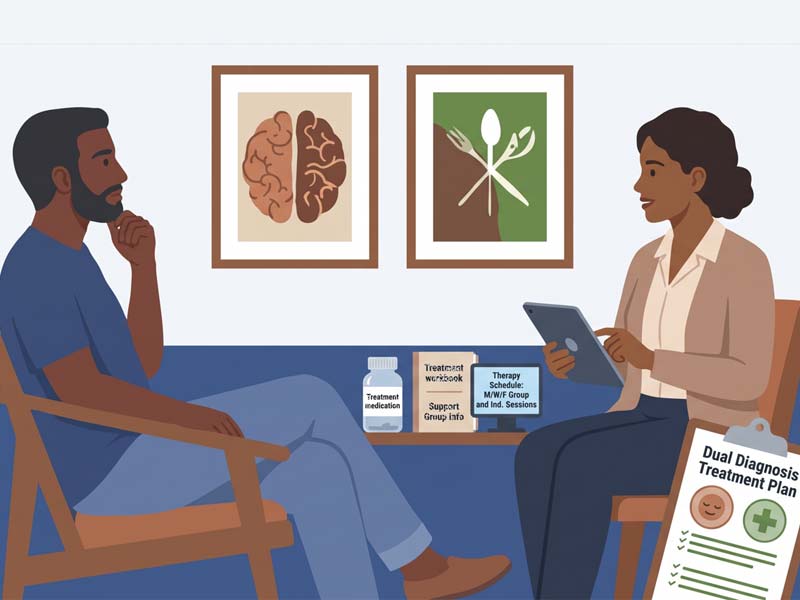
Dual diagnosis can involve many combinations of mental health conditions and substance use disorders. Each person’s experiences, symptoms, and treatment needs are different.
Common examples include:
- Depression alongside alcohol use disorder
- Anxiety disorders alongside opioid or benzodiazepine misuse
- Post-traumatic stress disorder (PTSD) alongside alcohol or drug use
- Bipolar disorder alongside a substance use disorder
- Psychotic disorders alongside problematic substance use
- Other mental health conditions occurring with stimulant, opioid, or prescription medication use disorders
Some substances can produce symptoms that resemble psychiatric disorders. For example, stimulant use may cause anxiety, paranoia, or sleep disruption, while alcohol withdrawal can produce significant emotional and physical symptoms.
A thorough clinical assessment helps distinguish substance-related symptoms from independent mental health conditions.
Our integrated treatment approach considers your complete clinical picture before recommending services.
Signs and Symptoms of Co-Occurring Disorders
Recognizing dual diagnosis can be challenging because mental health and substance use symptoms sometimes overlap.
Some adults seek treatment for addiction without realizing that an underlying mental health condition also needs attention. Others initially seek help for depression or anxiety while struggling with problematic substance use.
Emotional and Mental Health Symptoms
Possible signs include:
- Persistent sadness, low mood, or loss of interest in activities
- Frequent anxiety, panic symptoms, or excessive worry
- Significant mood changes or emotional instability
- Difficulty concentrating or making decisions
- Changes in sleep or appetite
- Persistent irritability or agitation
- Trauma-related symptoms, including intrusive memories or avoidance
- Paranoia, hallucinations, or unusual beliefs in some circumstances
These symptoms can have different causes. A professional evaluation helps determine whether a mental health disorder, substance use, medication effects, or another medical concern may be involved.
Substance-Related Symptoms
Common warning signs include:
- Using alcohol or drugs to manage difficult emotions
- Taking larger amounts or using substances more frequently than intended
- Experiencing strong cravings or urges to use
- Developing tolerance or withdrawal symptoms
- Repeatedly attempting to reduce or stop use without success
- Continuing substance use despite physical or emotional problems
- Difficulty maintaining work, school, or family responsibilities
Behavioral and Social Changes
Co-occurring disorders may also affect relationships, routines, and everyday functioning.
- Withdrawing from friends, family, or previously enjoyed activities
- Increased conflict in relationships
- Difficulty maintaining consistent daily routines
- Impulsive or risky decision-making
- Changes in personal care or physical health
- Difficulty managing work, school, or financial responsibilities
These signs do not automatically mean you have a dual diagnosis. A clinical assessment can help identify what you’re experiencing and which treatment options may be appropriate.
If you or someone you love is experiencing severe confusion, immediate danger, or thoughts of suicide, seek emergency assistance or contact the 988 Suicide & Crisis Lifeline.
What Causes Dual Diagnosis?
Co-occurring mental health and substance use disorders do not have one single cause. Several biological, psychological, and environmental factors may contribute to their development.
Existing Mental Health Conditions
Some adults experience depression, anxiety, PTSD, or another mental health condition before developing substance use problems.
Alcohol or drugs may provide temporary relief from emotional distress, but repeated use can create additional challenges and worsen symptoms over time.
Trauma and Chronic Stress
Traumatic experiences and prolonged stress can affect emotional regulation, relationships, and responses to perceived threats.
These experiences may increase vulnerability to both mental health conditions and substance use disorders. Trauma-informed treatment helps address these concerns while respecting your emotional readiness.
Genetics and Family History
Family history and genetic factors can influence vulnerability to addiction and certain mental health conditions.
However, genetics do not determine whether someone will develop a disorder. Personal experiences, environmental factors, and access to support also matter.
Changes Associated With Substance Use
Repeated alcohol or drug use can affect brain systems involved in reward, stress, motivation, and emotional regulation.
Some substances may also cause psychiatric symptoms during intoxication or withdrawal, making coordinated assessment especially important.
Social and Environmental Factors
Housing instability, relationship stress, isolation, limited support, and other environmental challenges can affect both mental health and substance use.
Our outpatient approach considers these practical concerns when developing your treatment plan and recovery goals.
Our Integrated Dual Diagnosis Treatment Approach
At Invicta Recovery Center, we recognize that addiction and mental health treatment often need to work together.
Our Pasadena co-occurring disorders treatment approach combines clinical assessment, behavioral therapy, psychiatric support when appropriate, and personalized recovery planning.
Rather than addressing only substance use or psychiatric symptoms, we consider how both conditions affect your daily life and treatment needs.
The National Institute of Mental Health (NIMH) explains that integrated care coordinates mental health and substance use treatment through appropriate therapies, medications, and support services.
Individualized Clinical Assessment
Effective dual diagnosis treatment begins with understanding your substance use history, psychiatric symptoms, medical conditions, and recovery goals.
Our clinical team evaluates these concerns and develops a personalized plan based on your needs.
This assessment also helps determine whether outpatient treatment is appropriate or whether additional medical or psychiatric stabilization may be necessary.
Coordinated Mental Health and Addiction Care
When both substance use and mental health conditions are present, treatment should address each concern without overlooking the other.
Depending on your assessment, care may involve individual counseling, group therapy, psychiatric services, medication management, and relapse prevention planning.
Our team reviews your progress and adjusts your treatment plan as symptoms, responsibilities, and recovery goals change.
Psychiatric Evaluation and Medication Management
Medication may be appropriate for certain mental health conditions or substance use disorders.
A qualified medical provider can evaluate symptoms, review your medication history, and consider treatment options based on your diagnosis and overall health.
Psychiatric medications may support conditions such as depression, anxiety, bipolar disorder, or other mental health concerns when clinically indicated.
Medication treatment for opioid or alcohol use disorder may also be considered as part of individualized care.
Specific medications, prescribing arrangements, and monitoring requirements depend on your clinical needs and the services available through your treatment plan.
Evidence-Based Therapies for Dual Diagnosis
Behavioral therapies help you understand the connections between thoughts, emotions, substance use, and everyday behavior.
Our Pasadena dual diagnosis treatment programs incorporate therapeutic approaches selected according to your individual assessment and recovery goals.
Cognitive Behavioral Therapy (CBT)
Cognitive Behavioral Therapy (CBT) helps you recognize patterns of thinking and behavior that may contribute to emotional distress or substance use.
Through structured sessions, you practice healthier coping strategies, challenge unhelpful thoughts, and develop practical responses to triggers.
Dialectical Behavior Therapy (DBT)
Dialectical Behavior Therapy (DBT) emphasizes mindfulness, emotional regulation, distress tolerance, and interpersonal effectiveness.
These skills may help you manage intense emotions, communicate more effectively, and respond to stressful situations without automatically relying on substances.
Trauma-Informed Therapy
Some adults with co-occurring disorders also have a history of trauma.
Trauma-informed therapy emphasizes emotional safety, trust, collaboration, and individualized pacing.
When clinically appropriate, Eye Movement Desensitization and Reprocessing (EMDR) may help address PTSD and trauma-related symptoms.
Motivational Interviewing
Motivational interviewing helps you explore your relationship with substance use and identify personal reasons for change.
This collaborative approach respects your readiness for treatment while supporting meaningful recovery decisions.
Individual and Small-Group Counseling
Individual therapy provides space to discuss your personal experiences, symptoms, relationships, and recovery goals.
Small-group counseling encourages shared learning, coping skill development, and supportive connections with others facing similar challenges.
Family Therapy and Relationship Support
Co-occurring disorders can affect communication, boundaries, trust, and family relationships.
When appropriate, family therapy helps loved ones understand treatment, improve communication, and develop healthier ways to support recovery.
Explore our complete range of addiction and mental health therapy programs to learn more about available therapeutic approaches.
Levels of Outpatient Care for Co-Occurring Disorders
Different levels of outpatient care provide varying amounts of clinical structure.
At Invicta Recovery Center, we match treatment intensity to your mental health symptoms, substance use concerns, medical stability, and daily responsibilities.
Partial Hospitalization Program (PHP)
Our Partial Hospitalization Program (PHP) provides intensive, structured outpatient treatment without overnight hospitalization.
PHP may be appropriate when you need frequent clinical support to address substance use and mental health concerns.
Programming may include individual therapy, group counseling, psychiatric care, medication management when appropriate, and recovery planning.
Adults requiring continuous medical monitoring, emergency psychiatric services, or an inpatient setting may need a higher level of care.
Intensive Outpatient Program (IOP)
Our Intensive Outpatient Program (IOP) provides structured treatment several days each week with greater scheduling flexibility.
IOP may be appropriate when you’re medically and psychiatrically stable but still need ongoing support for substance use and mental health symptoms.
This level of care may allow you to maintain employment, education, or family responsibilities while participating in treatment.
Standard Outpatient Treatment and Aftercare
Standard outpatient services provide continued clinical support with fewer scheduled treatment hours than PHP or IOP.
Aftercare may include counseling, psychiatric follow-up when appropriate, relapse prevention planning, and supportive community connections.
Our team helps you adjust the intensity of care as your needs change.
Learn more about our outpatient treatment programs and how each level supports different recovery needs.
Medication-Assisted Treatment and Dual Diagnosis
Some adults with co-occurring disorders benefit from medications alongside psychotherapy and other recovery services.
Medication treatment can address certain psychiatric symptoms, substance use disorders, or both, depending on your clinical assessment.
Medications for Mental Health Conditions
Qualified prescribers may consider medication for conditions such as depression, anxiety, bipolar disorder, or psychotic disorders.
The appropriate medication depends on your diagnosis, medical history, current medications, substance use, and potential interactions.
Some medications require additional monitoring, and treatment plans may change as symptoms and recovery needs evolve.
Medications for Substance Use Disorders
FDA-approved medications are available for opioid and alcohol use disorders.
For opioid use disorder, options include buprenorphine, methadone, and naltrexone. Methadone for opioid use disorder must be provided through an appropriately certified opioid treatment program.
For alcohol use disorder, approved medications include naltrexone, acamprosate, and disulfiram.
These options are not appropriate for every individual. Medication decisions require evaluation and coordination with qualified healthcare professionals.
We help you understand how medication-related care may fit within your broader treatment plan.
Substance Use Disorders Addressed in Dual Diagnosis Treatment
Dual diagnosis treatment may involve different substances, each with its own withdrawal risks, patterns of dependence, and medical considerations.
Our clinical team evaluates these factors alongside your mental health concerns to recommend appropriate care.
- Alcohol addiction treatment for adults managing drinking problems and related mental health symptoms
- Fentanyl addiction treatment for individuals facing opioid use disorder and co-occurring psychiatric concerns
- Meth addiction treatment for adults experiencing stimulant-related substance use and emotional challenges
- Xanax addiction treatment for adults managing benzodiazepine use concerns and related mental health conditions
- Kratom addiction treatment for individuals experiencing problematic kratom use and co-occurring emotional concerns
You can explore our full range of drug addiction treatment programs to learn more about substance-specific care.
Benefits of Outpatient Dual Diagnosis Rehab in Pasadena
Outpatient dual diagnosis treatment may be appropriate for adults who are medically and psychiatrically stable and have a supportive living environment.
This approach combines coordinated clinical care with opportunities to maintain connections to daily responsibilities.
Potential benefits include:
- Integrated treatment: Address substance use and mental health concerns within a coordinated care plan.
- Individualized clinical support: Receive treatment based on your symptoms, history, and personal goals.
- Practical coping strategies: Practice managing emotions, cravings, and stressful situations in everyday life.
- Greater scheduling flexibility: Maintain work, school, or family responsibilities when your recommended level of care allows.
- Community connections: Stay involved with supportive relationships during recovery.
- Continuity of care: Transition between outpatient levels of support as your treatment needs change.
Outpatient treatment is not appropriate for every situation. Significant withdrawal risks, unstable psychiatric symptoms, or immediate safety concerns may require more intensive medical or psychiatric services.
Our clinical assessment helps determine whether outpatient treatment can safely meet your needs.
Why Choose Invicta Recovery Center for Dual Diagnosis Treatment?
At Invicta Recovery Center, we recognize that co-occurring disorders affect each person differently.
Our treatment approach combines personalized clinical planning, evidence-based therapies, and practical recovery support.
We focus on helping you understand your symptoms, develop healthier coping skills, and build supportive connections while receiving structured outpatient care.
- Integrated addiction and mental health care: Our treatment plans consider both substance use and co-occurring psychiatric concerns.
- Individualized treatment planning: Recommendations reflect your clinical assessment, goals, and daily responsibilities.
- Small-group programming: Our groups encourage meaningful participation and personalized attention.
- Evidence-based therapies: Treatment may include CBT, DBT, motivational interviewing, and trauma-informed approaches.
- Flexible outpatient options: Different levels of care provide appropriate structure as your needs change.
- Multilingual services: Treatment is available in English, Spanish, and Armenian.
- Military and veteran support: Specialized programming considers service-related experiences, mental health needs, and substance use concerns.
- Insurance guidance: Our admissions team helps you understand available benefits and authorization requirements.
Insurance Coverage for Dual Diagnosis Treatment in Pasadena
Many health insurance plans include benefits for mental health and substance use disorder treatment.
Coverage depends on your specific plan, provider network, medical necessity, and authorization requirements.
Eligible services may include structured outpatient treatment, individual counseling, group therapy, psychiatric care, and medication management.
Our admissions team can help you verify your insurance at no cost and review available benefits before treatment begins.
We also work with eligible active-duty service members, veterans, and family members who have TRICARE insurance.
Call (626) 669-6547 to ask about treatment options and insurance coverage.
Getting Started With Pasadena Dual Diagnosis Treatment
Beginning treatment starts with understanding your mental health symptoms, substance use concerns, medical needs, and available care options.
Our admissions team can explain our outpatient programs and help coordinate a clinical assessment to determine an appropriate treatment approach.
What to Expect During Admissions
- Initial conversation: Our admissions team listens to your concerns, answers questions, and explains available services.
- Insurance verification: We review benefits and discuss relevant coverage or authorization requirements.
- Clinical assessment: A clinician evaluates substance use, mental health symptoms, medical concerns, and recovery goals.
- Level of care recommendation: Your team determines whether outpatient treatment is appropriate or additional stabilization is necessary.
- Personalized treatment planning: We identify recommended therapies, psychiatric support, scheduling needs, and other appropriate services.
- Beginning treatment: Your clinical team explains your treatment schedule and helps you prepare for participation.
- Ongoing progress reviews: Your care plan is reviewed and adjusted as your circumstances and recovery needs change.
The admissions process and treatment timeline depend on your individual needs. Some adults may require medical withdrawal management or a higher level of psychiatric care before outpatient treatment begins.
Frequently Asked Questions About Dual Diagnosis Treatment
What Is the Difference Between Dual Diagnosis and Co-Occurring Disorders?
The terms are commonly used interchangeably. Both describe situations where a person has a substance use disorder alongside a mental health disorder.
Treatment considers how these conditions interact and addresses both through a coordinated clinical plan.
Can Depression and Alcohol Addiction Be Treated Together?
Yes. Depression and alcohol use disorder can occur together, and integrated treatment can address both conditions.
Depending on your assessment, care may involve counseling, psychiatric services, medication management, and relapse prevention strategies.
Does Dual Diagnosis Treatment Include Anxiety and PTSD?
Yes. Dual diagnosis treatment may address anxiety disorders, PTSD, depression, bipolar disorder, and other psychiatric concerns alongside substance use disorders.
Your clinical team determines which therapies and services are appropriate for your specific conditions.
Is Outpatient Dual Diagnosis Treatment Effective?
Integrated outpatient care can be appropriate for adults who are medically and psychiatrically stable and have adequate support outside treatment.
Effectiveness depends on several factors, including clinical needs, treatment participation, available support, and continuity of care.
Some individuals require residential or inpatient treatment when symptoms or safety concerns exceed what outpatient programs can safely manage.
How Long Does Dual Diagnosis Treatment Take?
Treatment length depends on your mental health symptoms, substance use history, clinical needs, and recovery progress.
Some adults benefit from intensive care before transitioning to less frequent outpatient services.
Your clinical team reviews progress and adjusts your treatment plan rather than assigning everyone the same timeline.
Can I Work While Receiving Dual Diagnosis Treatment?
Many adults can maintain some work, school, or family responsibilities while attending outpatient treatment.
Scheduling flexibility depends on your recommended level of care. PHP generally requires more treatment hours than IOP.
Your clinical needs and safety remain important considerations when choosing a program.
Will I Need Medication for Dual Diagnosis?
Not everyone needs medication. Your treatment plan depends on your diagnoses, symptoms, medical history, and preferences.
Qualified medical providers may recommend psychiatric medication or medication treatment for certain substance use disorders when clinically appropriate.
Does Insurance Cover Dual Diagnosis Treatment?
Many health insurance plans include benefits for both mental health and substance use disorder services.
Coverage varies according to plan terms, network requirements, medical necessity, and authorization rules.
Our admissions team can help you review available benefits before treatment begins.
What Areas Does Invicta Recovery Center Serve?
Invicta Recovery Center provides outpatient addiction and mental health treatment in Altadena, California, serving adults from Pasadena, South Pasadena, Sierra Madre, Arcadia, Monrovia, Glendale, La Cañada Flintridge, and surrounding San Gabriel Valley communities.
Our multilingual services are available in English, Spanish, and Armenian.
Explore Dual Diagnosis Treatment in Pasadena, CA
Living with both addiction and a mental health condition can affect your emotional well-being, relationships, and daily responsibilities. Integrated treatment can help you understand how these concerns interact and develop practical recovery strategies.
At Invicta Recovery Center, our Pasadena dual diagnosis treatment programs provide individualized outpatient support for adults experiencing co-occurring substance use and mental health disorders.
Call (626) 669-6547 to speak with our admissions team about available treatment options.
You can also contact us online to ask questions about dual diagnosis rehab in Pasadena and personalized outpatient care.