Dialectical Behavior Therapy for Addiction Recovery
Dialectical Behavior Therapy (DBT) is a structured, skills-based treatment originally developed for borderline personality disorder. Today, DBT is also used to address emotional regulation difficulties, substance use disorders, and co-occurring mental health concerns.
Our DBT treatment in Pasadena helps you recognize emotional triggers, manage stress, and develop healthier responses to challenging situations. Rather than focusing only on substance use, we address the emotions, behaviors, and relationship patterns that may affect your recovery.
At Invicta Recovery Center, DBT-based techniques are incorporated into individualized outpatient treatment plans when clinically appropriate.
How Does Dialectical Behavior Therapy Work?
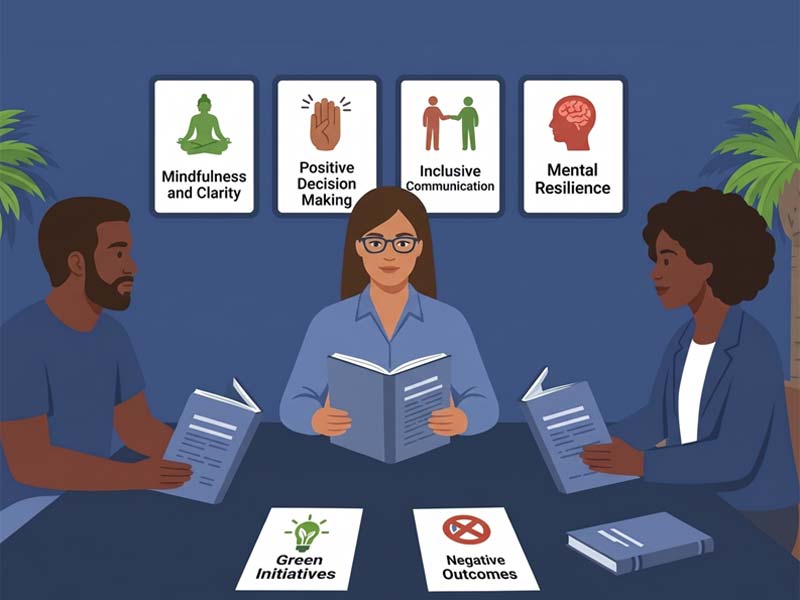
DBT combines two important principles: acceptance and change. You learn to acknowledge difficult thoughts and emotions while developing practical skills to respond differently.
While Cognitive Behavioral Therapy (CBT) focuses on connections between thoughts, feelings, and behaviors, DBT places additional emphasis on managing intense emotions, tolerating distress, and improving relationships.
Psychologist Marsha Linehan originally developed DBT to help people experiencing severe emotional distress. The approach has since been adapted for substance use and other mental health concerns. You can explore the treatment model through Behavioral Tech’s guide to Dialectical Behavior Therapy.
Through our Pasadena DBT treatment approach, we help you practice these skills within structured addiction and mental health care.
Why DBT Matters in Addiction and Mental Health Recovery
Substance use and mental health challenges often involve difficult emotions, stress, and relationship concerns. DBT provides practical strategies for managing these experiences while supporting your recovery goals.
Emotional Regulation
Intense emotions such as anger, fear, grief, or shame can sometimes influence substance use. DBT helps you recognize these feelings, understand their effects, and respond without becoming overwhelmed.
Distress Tolerance
Recovery can involve cravings, stressful situations, and unexpected challenges. Distress tolerance teaches you how to manage uncomfortable moments without automatically turning to substances or harmful behaviors.
Interpersonal Effectiveness
Healthy relationships provide valuable support during addiction recovery. DBT helps you communicate your needs, establish boundaries, manage disagreements, and strengthen connections with others.
Mindfulness
Mindfulness encourages awareness of your thoughts, feelings, and surroundings without immediate judgment. This practice helps you recognize automatic reactions and make more intentional decisions.
Support for Co-Occurring Disorders
DBT skills may also benefit adults managing substance use alongside anxiety, depression, or trauma-related symptoms. When appropriate, we incorporate these techniques into dual diagnosis treatment to address addiction and mental health concerns together.
What to Expect During DBT Treatment in Pasadena
Our outpatient DBT approach emphasizes learning practical skills and applying them to everyday situations. Your treatment experience depends on your clinical assessment, individual goals, and recommended level of care.
Individual Therapy and Skills Training
DBT commonly includes individual counseling and structured skills training. These approaches help you identify emotional triggers, explore behavior patterns, and practice healthier coping strategies.
In a comprehensive DBT program, treatment may also include therapist consultation and between-session coaching. These components are not automatically included in every DBT-informed outpatient program.
The Four Core DBT Skills
- Mindfulness: Develop awareness of your thoughts, emotions, and surroundings without reacting automatically.
- Distress tolerance: Practice managing uncomfortable feelings and stressful situations without harmful responses.
- Emotion regulation: Learn to identify emotions, understand their effects, and develop healthier ways to respond.
- Interpersonal effectiveness: Improve communication, establish boundaries, and maintain healthier relationships.
Applying DBT Skills to Substance Use Recovery
DBT can be adapted to address addiction-related triggers, cravings, and relapse risks. One technique, called behavior chain analysis, examines the events, thoughts, and emotions surrounding a particular behavior.
By recognizing these patterns, you can work with your therapist to develop alternative responses. These strategies become part of your personalized relapse prevention and recovery plan.
Benefits of DBT for Addiction Recovery
Our Pasadena DBT therapy approach focuses on helping you develop practical skills that support emotional well-being and everyday functioning. Treatment benefits vary based on your needs and participation.
Managing Cravings and Triggers
DBT teaches you to recognize urges and practice coping strategies before responding. Mindfulness and distress tolerance can help you manage situations that previously contributed to substance use.
Building Emotional Resilience
You can learn to identify difficult emotions and respond with greater awareness. These skills may help you manage stress and navigate challenging experiences during recovery.
Strengthening Relationships
Recovery often involves rebuilding trust and improving communication with loved ones. DBT helps you practice setting boundaries, expressing your needs, and managing conflict constructively.
Creating Healthier Daily Routines
DBT encourages you to make choices that support your values and long-term goals. These skills can help you manage responsibilities at work, school, and home while maintaining your recovery efforts.
Addressing Mental Health Alongside Addiction
Emotional regulation difficulties can affect both substance use and mental health. DBT skills can complement other therapies when your treatment plan addresses multiple concerns.
Using DBT Skills in Everyday Recovery
DBT emphasizes practicing skills outside therapy sessions. At Invicta Recovery Center, we help you connect what you learn in treatment with situations you encounter in daily life.
Your therapist may help you identify stressful situations, review emotional responses, and practice alternative coping strategies. Common activities include:
- Recognizing emotional triggers and substance use patterns
- Practicing mindfulness during stressful moments
- Using coping skills to manage cravings and uncomfortable emotions
- Setting healthier boundaries with friends and family
- Reviewing difficult experiences and identifying opportunities for change
- Developing practical relapse prevention strategies
With consistent practice, these techniques can become useful tools for managing challenges throughout recovery.
Tips for Getting the Most Out of DBT Therapy
DBT skills become more familiar through regular practice. These strategies can help you apply what you learn during Pasadena DBT treatment.
- Practice consistently: Use DBT techniques regularly, including during calmer moments.
- Complete skills assignments: Apply what you learn between therapy sessions.
- Communicate openly: Discuss emotional challenges, cravings, and setbacks with your therapist.
- Recognize progress: Notice small improvements in how you respond to difficult situations.
- Build supportive connections: Stay engaged with healthy relationships and recovery resources.
- Plan for challenges: Identify triggers and prepare coping strategies before stressful situations arise.
- Apply skills daily: Practice DBT techniques at work, home, and in relationships.
Why Choose Invicta Recovery Center for DBT Treatment?
At Invicta Recovery Center, we recognize that effective addiction treatment requires attention to emotional health, personal circumstances, and long-term recovery goals. Our outpatient approach integrates DBT-based skills with individualized therapeutic support.
Our Pasadena-area DBT treatment approach emphasizes:
- Personalized treatment planning: We match therapeutic approaches to your clinical needs and recovery goals.
- Licensed mental health professionals: Our team provides clinical guidance throughout outpatient treatment.
- Integrated addiction and mental health care: We address substance use alongside co-occurring emotional and psychiatric concerns.
- Individual and small-group support: Our programming encourages skill development, meaningful participation, and personal attention.
- Practical recovery skills: We help you apply emotional regulation, mindfulness, and communication techniques to everyday life.
- Multilingual support: Our services are available in English, Spanish, and Armenian.
Our goal is to help you develop the skills and support systems needed to make meaningful progress throughout recovery.
Frequently Asked Questions About DBT in Pasadena
Is DBT Only Used for Borderline Personality Disorder?
No. Although DBT was originally developed for borderline personality disorder, it has also been adapted for substance use disorders and other mental health concerns. Its skills-based approach can help people manage intense emotions and develop healthier coping strategies.
How Long Does DBT Treatment Take?
The length of DBT treatment depends on your individual needs, clinical goals, and treatment setting. Comprehensive DBT programs may last several months, while DBT skills can also be incorporated into broader outpatient treatment plans. Your clinical team can explain how these approaches fit your care.
What Happens if I Relapse During DBT Treatment?
A relapse does not erase the progress you’ve made. Your therapist can help you examine what happened, identify contributing triggers, and adjust your coping strategies and recovery plan. Treatment focuses on learning from challenges and continuing to build healthier responses.
Can I Use DBT Skills Outside Therapy Sessions?
Yes. Applying DBT skills to daily life is an important part of treatment. You can use mindfulness, distress tolerance, emotional regulation, and communication techniques at work, school, home, and in relationships.
Is DBT Treatment Covered by Insurance?
Insurance coverage varies by provider, plan, and medical necessity. DBT-based services may be covered when included in an eligible mental health or substance use treatment program. Our admissions team can help you verify your insurance and review available benefits.
Explore DBT Treatment in Pasadena, CA
Dialectical Behavior Therapy provides practical tools for managing emotions, navigating relationships, and supporting addiction recovery. Through personalized outpatient treatment, you can develop coping strategies that fit your needs and daily responsibilities.
At Invicta Recovery Center, we help adults in Pasadena and surrounding communities explore whether DBT-based treatment is appropriate for their recovery goals. Our team can answer your questions, explain available treatment options, and guide you through the admissions process.
Call (626) 669-6547 to learn more about our outpatient addiction and mental health services.