Understanding Xanax Addiction and Benzodiazepine Dependence
Xanax, the brand name for alprazolam, is a prescription medication belonging to the benzodiazepine class. Healthcare providers prescribe it primarily for anxiety disorders and panic disorder.
Xanax enhances the activity of gamma-aminobutyric acid (GABA), a neurotransmitter that helps reduce activity in the central nervous system. This produces calming effects but can also lead to physical dependence with regular use.
Physical dependence can develop even when Xanax is taken exactly as prescribed. Dependence means your body has adapted to the medication and may experience withdrawal symptoms when the dose decreases or stops.
Xanax addiction, clinically described as a sedative, hypnotic, or anxiolytic use disorder, involves difficulty controlling use despite harmful consequences.
Not everyone who develops physical dependence has an addiction. A clinical assessment helps distinguish expected medication dependence from problematic patterns of use.
Our Pasadena Xanax addiction treatment approach begins with understanding your medication history, physical health, mental health, and recovery goals.
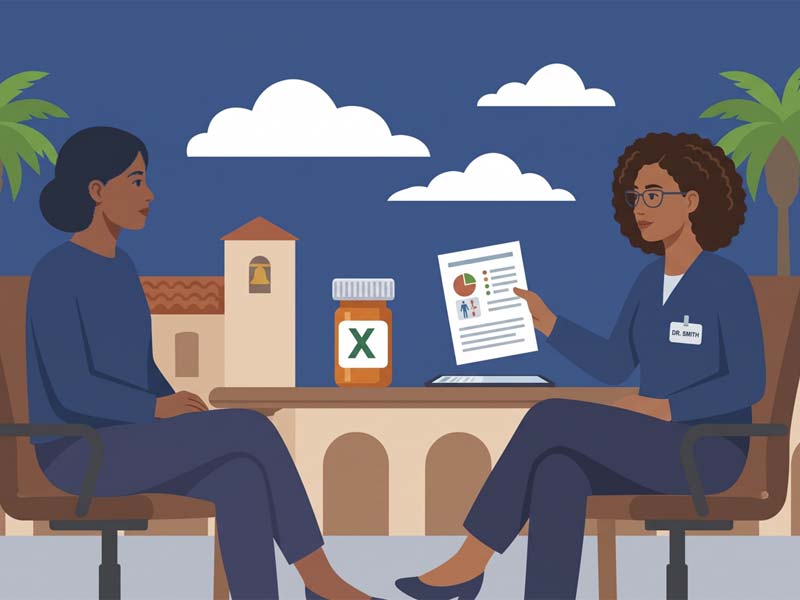
Signs and Symptoms of Xanax Addiction
Xanax dependence and addiction can affect your physical health, emotional well-being, relationships, and daily functioning.
Some warning signs involve changes in medication use, while others appear through behavior, mood, or withdrawal symptoms.
Common signs of problematic Xanax use include:
- Taking larger amounts of Xanax or using it more frequently than prescribed
- Using Xanax for longer periods than intended
- Experiencing strong cravings or persistent urges to take the medication
- Repeatedly attempting to reduce use without success
- Continuing Xanax use despite physical, emotional, or relationship problems
- Obtaining Xanax from multiple sources or using medication without a prescription
- Combining Xanax with alcohol, opioids, or other sedating substances
- Experiencing difficulty concentrating, memory problems, or excessive drowsiness
- Neglecting work, school, family, or other important responsibilities
- Experiencing withdrawal symptoms when Xanax use decreases or stops
Some of these symptoms may also occur with medically prescribed benzodiazepine use. Your healthcare provider can help evaluate whether you have physical dependence, a substance use disorder, or another concern.
If these patterns sound familiar, professional assessment can help you understand your treatment options.
Why Xanax Withdrawal Requires Medical Support
Xanax withdrawal can be medically dangerous, especially when someone has developed significant physical dependence.
Stopping Xanax abruptly or reducing the dose too quickly can cause severe withdrawal symptoms, including seizures and delirium.
Because alprazolam is a relatively short-acting benzodiazepine, some people experience withdrawal symptoms between doses or soon after reducing their medication.
Never stop taking Xanax suddenly or change your prescribed dose without medical guidance if you may be physically dependent.
Common Xanax Withdrawal Symptoms
Withdrawal symptoms vary according to medication history, dosage, individual health, and other factors.
Possible symptoms include:
- Increased anxiety or panic symptoms
- Difficulty sleeping or insomnia
- Tremors, shaking, or muscle tension
- Sweating and increased heart rate
- Restlessness and irritability
- Nausea or digestive discomfort
- Difficulty concentrating
- Heightened sensitivity to light or sound
- Confusion or perceptual disturbances
- Seizures or delirium in severe cases
Some people also experience prolonged symptoms after the initial withdrawal period. These may include sleep problems, anxiety, mood changes, and difficulties with concentration.
The duration and severity vary considerably. Withdrawal does not follow one predictable timeline for everyone.
Factors That Influence Xanax Withdrawal
Several factors can affect withdrawal risks and the level of medical support you may need.
| Factor | Why It Matters |
|---|---|
| Duration of use | Longer periods of regular use may increase physical dependence and withdrawal complexity. |
| Daily dosage | Higher doses may increase the risk of significant withdrawal symptoms. |
| Medication reduction | Rapid dose reductions or abrupt discontinuation can increase withdrawal risks. |
| Other substance use | Alcohol, opioids, and other sedating substances can complicate treatment and increase medical risks. |
| Previous withdrawal experiences | A history of withdrawal seizures or severe symptoms may require additional medical monitoring. |
| Physical and mental health | Existing health conditions and psychiatric symptoms can influence treatment planning. |
Medical Tapering and Benzodiazepine Withdrawal
For adults who are physically dependent on Xanax, a gradual, medically supervised reduction may be appropriate when discontinuation is recommended.
This process is commonly called a benzodiazepine taper. Your prescribing clinician develops a reduction plan based on your medication history, withdrawal risks, and response to treatment.
The American Society of Addiction Medicine (ASAM) benzodiazepine tapering guidelines recommend individualized treatment decisions, gradual dose reductions, and ongoing monitoring.
Some adults can complete a medically managed taper in outpatient settings. Others may need inpatient or medically supervised residential care because of significant withdrawal risks.
Invicta Recovery Center provides outpatient addiction treatment, not medical detoxification. Our team can help coordinate appropriate medical services when withdrawal management is needed.
How Xanax Addiction Affects Mental Health
Xanax is commonly prescribed for anxiety and panic disorders. Some people later experience difficulties managing these symptoms without the medication.
When Xanax use decreases, anxiety or panic symptoms may return. Withdrawal can also produce temporary increases in anxiety, sometimes called rebound anxiety.
These symptoms can make it difficult to distinguish medication withdrawal from an underlying mental health condition.
Problematic Xanax use may also occur alongside anxiety disorders, depression, trauma-related conditions, or other substance use concerns.
At Invicta Recovery Center, our dual diagnosis treatment approach addresses substance use and co-occurring mental health conditions through coordinated clinical care.
Your treatment plan may include psychotherapy, psychiatric evaluation, medication management when appropriate, and practical strategies for managing anxiety without relying on problematic substance use.
Xanax Addiction Treatment Programs at Invicta Recovery Center
Invicta Recovery Center provides individualized outpatient Xanax addiction treatment for adults in Pasadena, Altadena, and surrounding San Gabriel Valley communities.
Our programs focus on behavioral change, emotional regulation, mental health support, and practical relapse prevention skills.
Because benzodiazepine withdrawal can create serious medical risks, your assessment helps determine whether outpatient treatment is appropriate and whether additional medical stabilization is needed.
Partial Hospitalization Program (PHP)
Our Partial Hospitalization Program (PHP) provides intensive outpatient treatment for adults who need substantial clinical structure without overnight hospitalization.
PHP may be appropriate when you’re medically stable but require frequent therapy, psychiatric support, and structured recovery programming.
Services may include individual counseling, group therapy, medication management when appropriate, and relapse prevention planning.
Adults experiencing significant benzodiazepine withdrawal risk may need medically managed withdrawal services before or alongside outpatient treatment.
Intensive Outpatient Program (IOP)
Our Intensive Outpatient Program (IOP) provides structured addiction treatment several days each week with greater scheduling flexibility.
IOP may be appropriate when you’re medically stable and need continued help managing anxiety, emotional challenges, medication-related concerns, and recovery responsibilities.
Our Pasadena Xanax rehab approach helps eligible adults participate in treatment while maintaining work, school, or family commitments when appropriate.
Medication Management and Medical Coordination
Medication-related care for Xanax dependence requires individualized medical evaluation and careful coordination with qualified prescribers.
When a benzodiazepine taper is recommended, the prescribing clinician determines the medication plan, monitors withdrawal symptoms, and adjusts treatment based on your response.
There is no single medication-assisted treatment protocol that applies to everyone with Xanax use disorder.
Our outpatient clinical team can coordinate psychiatric support and medication management when appropriate as part of your broader recovery plan.
Medical detoxification and inpatient withdrawal monitoring are not services provided by Invicta Recovery Center.
Wellness and Lifestyle Support
Recovery from problematic Xanax use involves developing routines that support emotional stability, physical health, and daily functioning.
Your treatment plan may include practical strategies such as:
- Learning mindfulness and stress management techniques
- Developing healthier sleep routines
- Practicing emotional regulation and grounding skills
- Identifying anxiety-related triggers
- Strengthening communication and relationships
- Building consistent daily habits that support recovery
These approaches complement clinical therapy and appropriate medical treatment rather than replacing them.
Outpatient Aftercare and Relapse Prevention
Continued support can help you maintain recovery progress as your treatment needs and responsibilities change.
Our outpatient aftercare services may include:
- Individual counseling and continued therapeutic support
- Alumni groups and recovery community activities
- Personalized relapse prevention planning
- Psychiatric services when appropriate
- Healthy routine and life skills development
- Support for returning to work, school, and family responsibilities
Your clinical team helps you strengthen coping skills and develop a realistic plan for ongoing recovery support.
Evidence-Based Therapies for Xanax Addiction
Behavioral therapies help address the thoughts, emotions, and circumstances that may contribute to problematic Xanax use.
These approaches can also support treatment for anxiety, panic symptoms, trauma, and co-occurring mental health concerns.
Our Pasadena Xanax addiction treatment programs use individualized clinical planning to determine which therapies fit your needs.
Cognitive Behavioral Therapy (CBT)
Cognitive Behavioral Therapy (CBT) helps you recognize patterns of thinking and behavior associated with anxiety and substance use.
Through structured sessions, you learn healthier coping strategies, challenge unhelpful thought patterns, and practice responding differently to stressful situations.
CBT may also support adults working with medical providers on benzodiazepine reduction by addressing anxiety, insomnia, and other concerns.
Dialectical Behavior Therapy (DBT)
Dialectical Behavior Therapy (DBT) focuses on mindfulness, emotional regulation, distress tolerance, and interpersonal skills.
These techniques may help you manage uncomfortable emotions, strengthen relationships, and respond to distress without automatically relying on medication misuse.
Motivational Interviewing
Motivational interviewing helps you explore your medication use patterns, identify personal reasons for change, and strengthen motivation toward recovery goals.
This collaborative approach respects your readiness while supporting practical decisions about treatment.
Trauma-Informed Therapy
Some adults experiencing Xanax addiction also have a history of trauma or ongoing emotional distress.
Trauma-informed treatment emphasizes emotional safety, respect, personal choice, and appropriate coping strategies.
When clinically appropriate, Eye Movement Desensitization and Reprocessing (EMDR) may help address PTSD and trauma-related symptoms.
Individual, Group, and Family Counseling
Individual therapy provides space to explore personal challenges, emotional health, and recovery goals.
Small-group counseling encourages shared learning, accountability, and supportive community connections.
Family therapy may also help loved ones improve communication, establish boundaries, and understand the challenges of benzodiazepine dependence.
Explore our complete range of addiction therapy programs to learn more about available therapeutic approaches.
Benefits of Outpatient Xanax Rehab in Pasadena
Outpatient Xanax rehab may be appropriate for adults who are medically stable and have a supportive living environment.
This approach provides structured therapeutic support while helping you maintain connections to daily responsibilities.
Potential benefits include:
- Individualized treatment: Receive care based on your medication history, mental health needs, and recovery goals.
- Scheduling flexibility: Maintain work, school, or family commitments when your recommended level of care allows.
- Emotional support: Develop coping strategies for anxiety, distress, and difficult situations.
- Community connections: Remain involved with supportive relationships during treatment.
- Continuity of care: Transition between outpatient levels of support as your needs change.
Outpatient care is not appropriate for every situation. Severe withdrawal risk, a history of seizures, medical instability, or significant psychiatric concerns may require additional medical services.
Our clinical assessment helps determine whether outpatient treatment is appropriate or whether another level of care should be considered.
Personalized and Multilingual Xanax Addiction Treatment
At Invicta Recovery Center, we recognize that recovery needs differ from person to person.
Our outpatient treatment approach considers your medication history, emotional health, cultural background, personal goals, and daily responsibilities.
We provide individualized care through evidence-based therapies, small-group programming, and ongoing treatment planning.
Our multilingual services are available in English, Spanish, and Armenian, helping you communicate comfortably with your treatment team.
We also offer specialized support for active military members and veterans managing substance use and co-occurring mental health concerns.
Does Insurance Cover Xanax Addiction Treatment?
Many health insurance plans provide benefits for substance use disorder and mental health treatment.
Coverage varies according to your plan, provider network, medical necessity, and authorization requirements.
Eligible outpatient services may include individual therapy, group counseling, psychiatric care, and structured addiction treatment programs.
Medical withdrawal management and medication-related services may have separate coverage requirements depending on your insurance policy.
Our admissions team can help you verify your insurance at no cost and review available benefits before treatment begins.
We also work with eligible active-duty service members, veterans, and family members who have TRICARE insurance.
Call (626) 669-6547 to discuss your treatment options and insurance questions.
Getting Started With Pasadena Xanax Addiction Treatment
Beginning treatment starts with understanding your Xanax use, physical dependence, withdrawal risks, and mental health needs.
Our admissions team can explain outpatient services and help coordinate an assessment to determine an appropriate treatment approach.
What to Expect During Admissions
- Initial conversation: Our admissions team listens to your concerns, answers questions, and explains available treatment options.
- Insurance verification: We review your benefits and discuss relevant coverage or authorization requirements.
- Clinical assessment: A clinician evaluates Xanax use, withdrawal history, medical concerns, mental health, and recovery goals.
- Medical coordination: If medication reduction or withdrawal management is needed, we help identify appropriate medical services.
- Level of care recommendation: Your team determines whether outpatient care is appropriate or additional medical support is required.
- Personalized treatment planning: We identify recommended therapies, scheduling needs, and psychiatric support when appropriate.
- Ongoing progress reviews: Your care plan is adjusted as your treatment needs and recovery goals change.
The admissions process and treatment timeline vary according to individual circumstances.
If you’re currently taking Xanax regularly, continue following your prescribing clinician’s instructions until a medical professional advises otherwise.
Frequently Asked Questions About Xanax Addiction Treatment
What Is the Difference Between Xanax Dependence and Xanax Addiction?
Physical dependence occurs when your body adapts to Xanax and may experience withdrawal symptoms after the medication decreases or stops.
Addiction involves difficulty controlling use and continued consumption despite harmful consequences.
Physical dependence can develop during appropriate prescribed treatment without a substance use disorder.
Is Xanax Withdrawal Dangerous?
Yes. Abruptly stopping Xanax or reducing the dose too quickly can cause serious withdrawal reactions, including seizures and delirium.
If you’re physically dependent on Xanax, consult a qualified medical professional before changing your dose.
Seizures, severe confusion, or other serious symptoms require emergency medical attention.
Do I Need Medical Detox Before Starting Outpatient Xanax Rehab?
Not everyone requires inpatient medical detoxification before outpatient Xanax treatment.
Some people can complete a medically supervised taper in outpatient medical settings. Others may need a higher level of care because of withdrawal risks or other health concerns.
Invicta Recovery Center provides outpatient addiction treatment, not medical detoxification.
How Long Does a Xanax Taper Take?
The duration depends on your dosage, medication history, withdrawal symptoms, health conditions, and response to dose reductions.
Some people need several months or longer to complete a gradual taper safely. Others may have different medical needs.
Your prescribing clinician determines the schedule and adjusts it according to your response.
Can I Continue Taking Prescribed Xanax During Treatment?
Medication decisions depend on your medical history, current prescription, substance use concerns, and treatment goals.
Your clinical team may coordinate care with your prescribing provider to review medication risks, benefits, and appropriate next steps.
Never change or discontinue prescribed Xanax without medical guidance.
Are Medications Used to Treat Xanax Addiction?
Medication management may be part of the treatment process, particularly when a medically supervised benzodiazepine taper is appropriate.
There is no single medication that replaces individualized withdrawal management and behavioral treatment for Xanax use disorder.
Your medical provider determines which medications or supportive services are appropriate.
How Long Does Outpatient Xanax Addiction Treatment Take?
Treatment length depends on your medication history, physical dependence, mental health needs, recovery goals, and progress.
Some adults benefit from intensive outpatient treatment before transitioning to less frequent services.
Your clinical team reviews your needs throughout treatment rather than assigning every person the same timeline.
Can Xanax Addiction and Anxiety Be Treated Together?
Yes. Our outpatient approach addresses problematic Xanax use alongside co-occurring anxiety, panic symptoms, depression, or trauma-related concerns.
Treatment may include individual therapy, group counseling, psychiatric support, and practical coping strategies.
Can I Work While Attending Outpatient Xanax Treatment?
Many adults can maintain some work, school, or family responsibilities during outpatient treatment.
Scheduling flexibility depends on your recommended level of care, medical stability, and any withdrawal-related needs.
PHP generally involves more treatment hours than IOP.
What Areas Does Invicta Recovery Center Serve?
Invicta Recovery Center provides outpatient addiction and mental health treatment in Altadena, California, serving adults from Pasadena, South Pasadena, Sierra Madre, Arcadia, La Cañada Flintridge, and surrounding San Gabriel Valley communities.
Our multilingual services are available in English, Spanish, and Armenian.
Explore Xanax Addiction Treatment in Pasadena, CA
Xanax dependence can affect your physical health, emotional well-being, relationships, and daily responsibilities. Appropriate medical guidance and outpatient treatment can help you understand your medication use and develop practical recovery strategies.
At Invicta Recovery Center, our Pasadena Xanax addiction programs provide individualized outpatient support for adults managing benzodiazepine dependence and co-occurring mental health concerns.
Learn more about our drug addiction treatment programs or call (626) 669-6547 to speak with our admissions team.
You can also contact us online to ask questions about Pasadena Xanax rehab and available outpatient treatment options.